


Never Leave Your Dog in a Parked Car: Why This Summer Rule Has Zero Exceptions

This one feels like common knowledge by now — and yet, every summer, dogs die in parked cars. Often it's because an owner made a quick decision: "I'll just run in for a minute." Sometimes they lose track of time. Sometimes they genuinely didn't realize how dangerous it could be.


The facts are stark, and they're worth repeating.

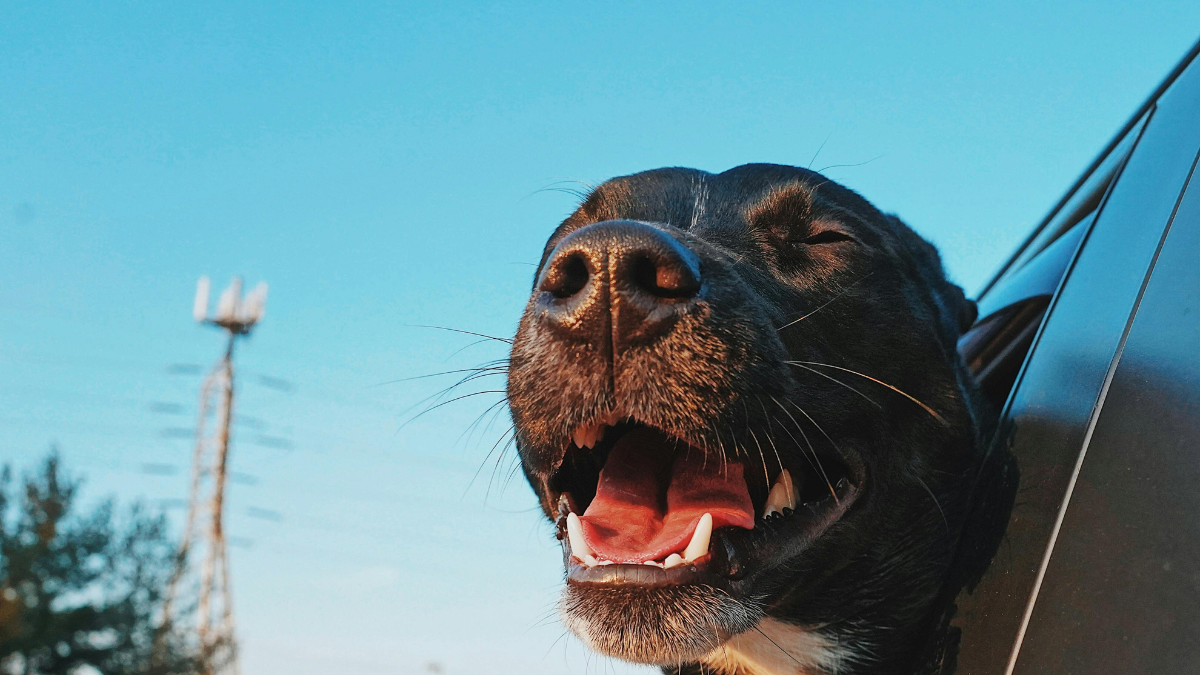
Black dog with mouth open in a car window against a blue sky

The Temperature Reality

On an 80°F day, the interior of a parked car can reach 99°F in just 10 minutes — and over 119°F within 30 minutes. On a 90°F day, it can climb past 130°F.


Cracking the windows makes very little difference. The greenhouse effect inside the car traps radiant heat regardless of ventilation. Shade provides only modest relief — the interior still heats rapidly. Dogs cool themselves by panting, which is far less efficient than the way humans sweat. They simply cannot cope with that rate of temperature increase.

What Happens to a Dog in a Hot Car

Within minutes of being in a dangerously hot car, a dog can begin to experience heatstroke — a condition where the body's core temperature rises to a level that causes cell damage across every organ system. At 104°F, they are in distress. At 107°F or above, organ failure and brain damage can occur rapidly. This is not a slow process. It is a medical emergency that escalates in minutes.


Signs of Heatstroke

  • Heavy, frantic panting
  • Bright red or purple gums
  • Thick, sticky saliva
  • Vomiting or diarrhea
  • Stumbling or disorientation
  • Collapse
Small fluffy tan dog looking out from a car window

The Only Rule: Don't Do It

There is no errand short enough to make leaving your dog in the car a safe bet. If you're going somewhere your dog can't come inside with you, leave them home. If that's not possible, bring a second person who can stay outside with the dog in a running, air-conditioned car — or use a drive-through, curbside pickup, or find a pet-friendly establishment.

If Your Dog Was in a Hot Car

Move them to a cool, air-conditioned environment immediately. Apply cool (not ice-cold) water to their paw pads, belly, and the back of their neck. Do not force water into their mouth. Get to an emergency vet immediately — even if they appear to recover, internal damage may not be visible.


We're here for you around the clock. Violet Crown Veterinary Specialists: 512-284-2877, 14360 Falcon Head Blvd., Bee Cave, TX 78738. Open 24/7, every day of the year.

Close-up of a sleeping brown and white dog’s paw resting on a soft white blanket
June 10, 2026
Every summer, thousands of dogs suffer painful paw pad burns from hot pavement — and most pet owners never see it coming. While you're enjoying the warm weather and sunny walks, the ground beneath your dog's paws can reach scorching temperatures that cause serious, lasting damage in a matter of seconds. Burnt paw pads are one of the most common and most preventable summer emergencies we treat at our clinic, yet they remain one of the most overlooked hazards of the season.
Brown dog swimming in a calm lake, leaving a ripple trail behind
June 10, 2026
Summer means more time near the water — lakes, pools, rivers, and beaches. For most dogs, swimming is pure joy. But what many pet owners don't know is that water itself can be a hidden danger. From exhaustion-related drowning to a surprisingly common condition called water intoxication (hyponatremia), the risks of aquatic fun go far beyond the obvious. Knowing what to watch for could save your dog's life.