When the Sky Explodes: How to Help Your Dog Through Thunderstorms and Fireworks This Summer

July 4th is one of the biggest nights of the year for animal shelters. The day after Independence Day consistently sees a surge in lost and stray dogs — animals who panicked at the sound of fireworks and bolted, squeezing through fence gaps, jumping over walls, or chewing through screens in a desperate attempt to escape the noise.


Thunderstorm and fireworks anxiety is one of the most underestimated summer dangers for dogs. And it doesn't take a dramatic reaction to create a dangerous situation. Even a normally calm dog can be pushed past their threshold by a particularly close lightning strike or a fireworks display that goes on longer than expected.

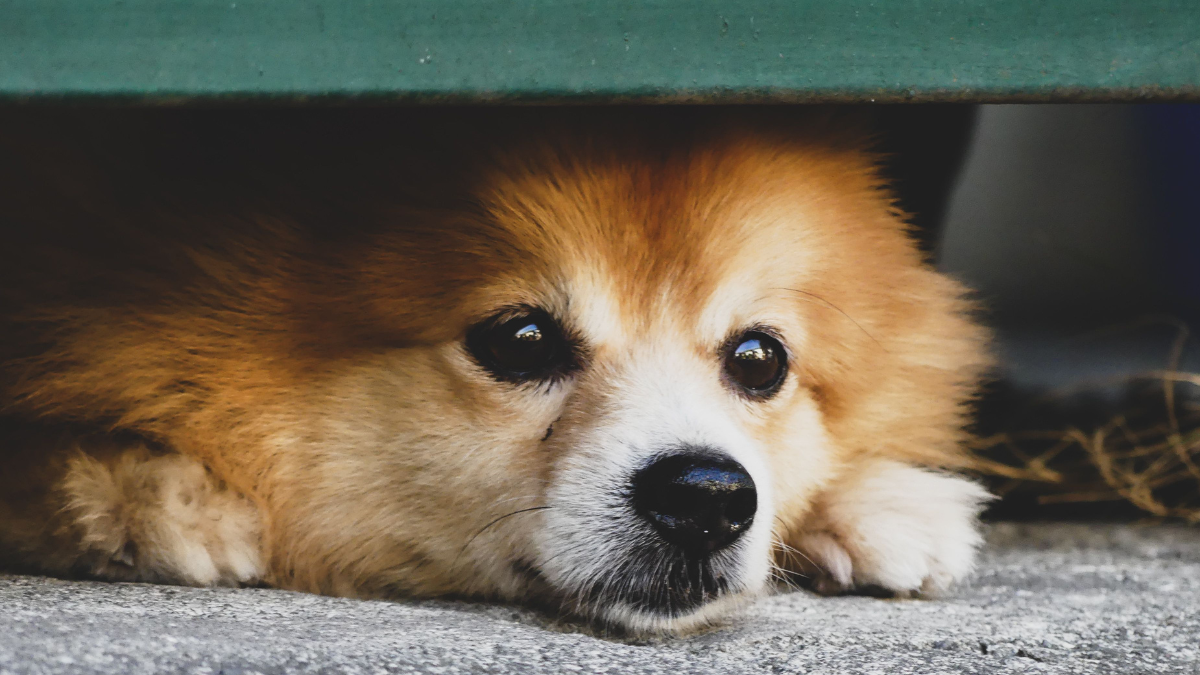
Small fluffy brown-and-white dog lying on the floor, peeking out from under furniture

Why Dogs React So Strongly

Dogs hear at roughly four times the frequency range of humans and are significantly more sensitive to sudden, loud sounds. Fireworks and thunder don't just sound loud to them — they're often genuinely disorienting and frightening in a way we can't fully replicate. Add in the flashing lights, the smell of smoke, and changes in barometric pressure (which dogs can detect before a storm), and the experience can feel overwhelming.


Signs of Anxiety to Watch For

  • Trembling or shaking
  • Excessive panting or drooling
  • Pacing or inability to settle
  • Hiding under furniture or in closets
  • Destructive behavior (chewing, scratching at doors)
  • Attempting to escape the yard or home
  • Loss of bladder or bowel control
  • Barking or howling persistently

Creating a Safe Environment

Designate a Safe Zone Set up a quiet, interior room — ideally one without windows — where your dog can retreat. Include their bed, a worn piece of your clothing (your scent is calming), water, and their favorite toys. Let them choose to go there rather than forcing them.


Use Sound Masking A white noise machine, a fan, or calming music can help muffle the sound of booming. There are playlists specifically designed to calm anxious dogs — search "dog anxiety music" or "Through a Dog's Ear" on music streaming platforms.


Stay Calm Yourself Dogs read our energy closely. If you're anxious about their anxiety, it can amplify the cycle. Stay calm, act normal, and offer gentle reassurance without reinforcing the panic.


Close Everything During fireworks events or approaching storms, close windows, blinds, and doggy doors. Reduce visual stimulation from flashing lights. Make sure your yard is fully secured before nightfall on high-risk evenings.

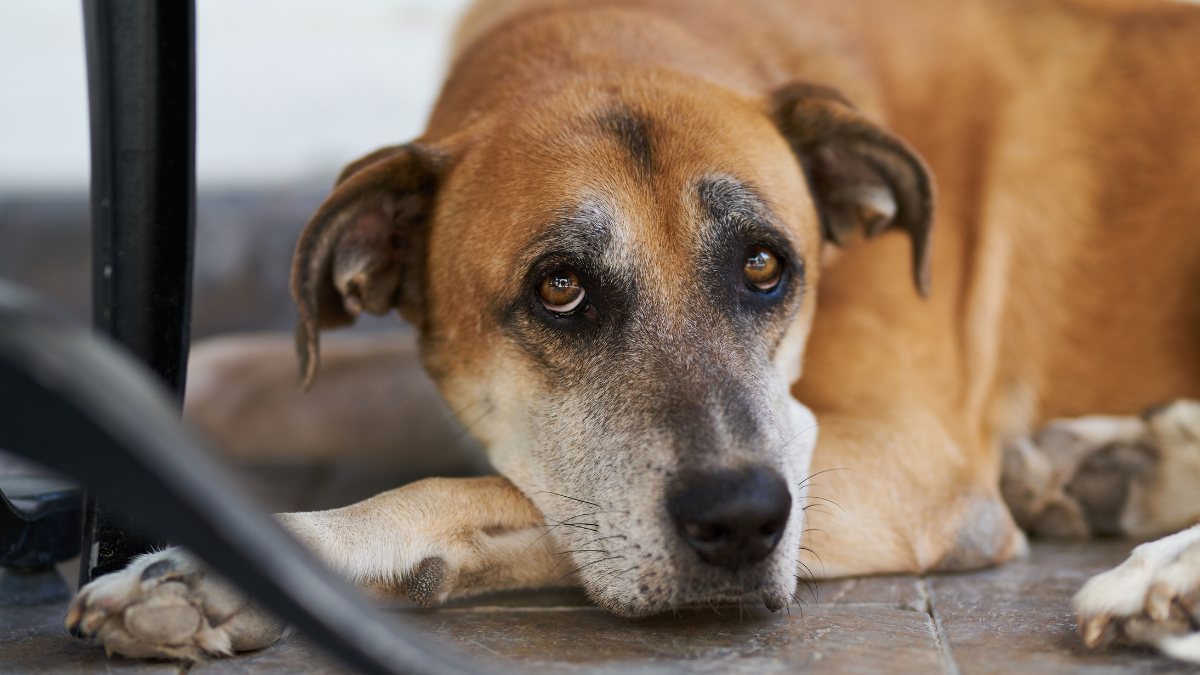
Brown and white dog lying down with its head resting on the floor, looking sad

Talk to Your Vet About Anxiety Support

For dogs with moderate to severe anxiety, there are evidence-based tools your vet can offer — including calming supplements, anxiety wraps, pheromone diffusers, and in some cases, prescription anti-anxiety medications for high-stress events. Don't wait until the 4th of July to have this conversation. Plan ahead with your primary vet in June.

The Most Important Preparation: Microchipping

If your dog is not microchipped, make an appointment today. A collar and tag can fall off or be removed — a microchip cannot. Make sure your contact information is current in the microchip registry. This one step dramatically increases the chance of being reunited with a lost pet.


Also double-check your yard fencing before summer storm season and before any major holiday. Look for gaps, loose boards, or sections that could be pushed through by a panicked, adrenaline-fueled dog.


If Your Dog Bolts Act immediately. Post on local Facebook community groups and Nextdoor with a clear photo. Contact your local shelter to file a report in case the dog is turned in. Walk the neighborhood — lost dogs often circle back near their home.


At Violet Crown Veterinary Specialists, we care about your pet's wellbeing year-round — not just in emergencies. If anxiety is significantly affecting your dog's quality of life, we encourage you to work with your primary care vet to build a management plan.


And if an emergency does arise this summer — from injury, illness, or anything in between — we are here. 24 hours a day. 7 days a week. 365 days a year.

📞 512-284-2877 | 📍 14360 Falcon Head Blvd., Bee Cave, TX 78738

Close-up of a sleeping brown and white dog’s paw resting on a soft white blanket
June 10, 2026
Every summer, thousands of dogs suffer painful paw pad burns from hot pavement — and most pet owners never see it coming. While you're enjoying the warm weather and sunny walks, the ground beneath your dog's paws can reach scorching temperatures that cause serious, lasting damage in a matter of seconds. Burnt paw pads are one of the most common and most preventable summer emergencies we treat at our clinic, yet they remain one of the most overlooked hazards of the season.
Brown dog swimming in a calm lake, leaving a ripple trail behind
June 10, 2026
Summer means more time near the water — lakes, pools, rivers, and beaches. For most dogs, swimming is pure joy. But what many pet owners don't know is that water itself can be a hidden danger. From exhaustion-related drowning to a surprisingly common condition called water intoxication (hyponatremia), the risks of aquatic fun go far beyond the obvious. Knowing what to watch for could save your dog's life.