Hidden in the Grass: Lawn and Garden Chemicals That Are Dangerous to Your Dog
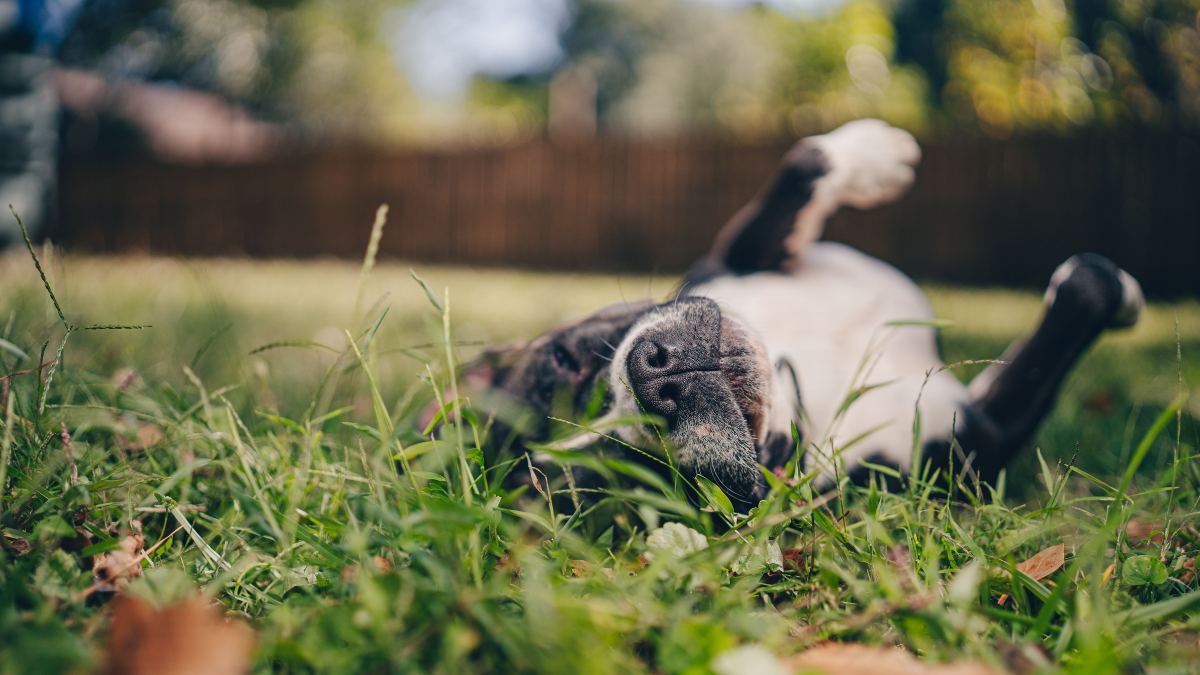
Your backyard might feel like a safe haven for your dog — fenced in, familiar, and fun. But during summer, when lawn care routines ramp up across Austin neighborhoods, it can also quietly become one of the most chemically loaded environments your pet encounters.
The danger is deceptive precisely because it's invisible. Treated grass looks perfectly normal. Landscaped flower beds look beautiful. And your dog, nose to the ground and paws padding through it all, has no idea.

How Dogs Are Exposed
Dogs come into contact with lawn and garden chemicals in two primary ways:
- Through their paw pads. Paw pads are permeable — chemicals on treated grass can be absorbed directly into the bloodstream as your dog walks across the lawn.
- Through grooming. After a walk or time in the yard, dogs lick their paws. Whatever is on those paws goes straight into their system.
Common Lawn Products That Are Dangerous to Dogs
- Fertilizers: Many contain nitrogen, phosphorus, potassium, and sometimes iron or zinc — all of which can cause gastrointestinal distress or toxicity in dogs when ingested in larger amounts.
- Herbicides (weed killers): Products containing glyphosate or other chemicals can cause vomiting, diarrhea, drooling, and in high exposures, more serious neurological symptoms.
- Pesticides and insecticides: Organophosphates and carbamates (found in many common bug sprays and yard treatments) are particularly toxic to dogs and can cause tremors, seizures, and respiratory distress.
- Snail and slug bait: Products containing metaldehyde are extremely dangerous to dogs and can cause rapid-onset seizures. This one is a true emergency.
- Cocoa mulch: Made from cocoa bean shells, this popular garden mulch smells appealing to dogs — and contains theobromine, the same compound that makes chocolate toxic.
Toxic Plants Common in Austin Yards and Landscaping
- Sago Palm — Extremely toxic. All parts of the plant are dangerous, but the seeds are the most lethal. Even a small amount can cause liver failure.
- Lantana — Common in Texas landscaping. Toxic berries can cause severe vomiting and liver damage.
- Oleander — Highly toxic to dogs. Can affect the heart.
- Lilies — While more dangerous to cats, some lily varieties can cause GI upset in dogs.

How to Make Your Yard Safer
- Wait before letting your dog out after any lawn treatment. Most products require the area to dry completely before it's safe — check the product label and add extra time.
- Rinse your dog's paws after every outdoor trip during lawn treatment season.
- Choose pet-safe lawn products where possible. There are many effective organic and pet-friendly alternatives available.
- Know what's planted. Walk your yard and identify everything growing there. When in doubt, look it up or ask your vet.
Signs of Lawn Chemical Poisoning
Watch for excessive drooling, vomiting, diarrhea, wobbling, tremors, or seizures after outdoor time. If you suspect exposure to a toxic substance, contact your veterinarian or an emergency animal hospital immediately. Bring the product label with you if possible — it helps determine the appropriate treatment.
Violet Crown Veterinary Specialists is open 24/7 and equipped to handle toxin exposures and poisoning emergencies. Call us at 512-284-2877 or find us at 14360 Falcon Head Blvd., Bee Cave, TX 78738.