Heatstroke in Dogs: How to Spot the Signs and Act Fast
Summer is the season for outdoor adventures, but rising temperatures bring a silent danger for our canine companions, Heatstroke. Unlike humans who sweat across their entire body to cool down, dogs rely almost exclusively on panting and releasing heat through their paw pads. When the environment becomes too hot, this mechanism fails, leading to a life-threatening medical emergency.
As a pet owner, knowing the difference between "a hot dog" and "a dog in crisis" is the single most important skill you can learn this season.
The 7 Early Warning Signs of Heatstroke
Heatstroke doesn’t always happen instantly. It often starts as heat exhaustion. If you notice these symptoms, you must intervene immediately.

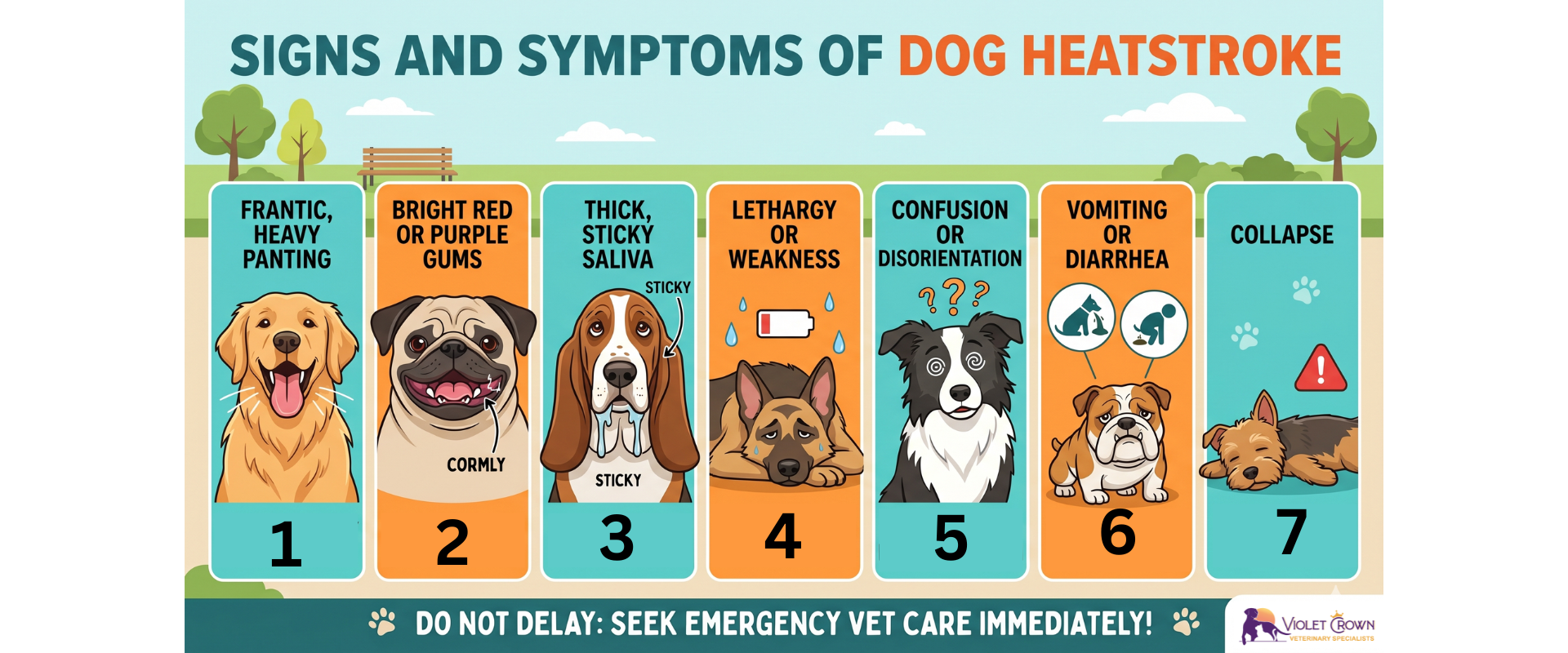
- Excessive, frantic panting: Panting that doesn't subside even when the dog is resting.
- Bright red or purple gums: This indicates that the body is diverting blood flow to the skin to try and cool down.
- Thick, sticky saliva: If their drool looks like glue or isn't dripping, it’s a red flag.
- Lethargy or weakness: Your dog seems reluctant to move or is having trouble standing.
- Confusion or disorientation: They aren't responding to their name or seem "dazed."
- Vomiting or diarrhea: Especially if these occur after outdoor activity.
- Collapse: This is a late-stage symptom and requires immediate emergency intervention.

What to Do If You Suspect Heatstroke (The "Cool, Don't Freeze" Rule)
If your dog shows symptoms, your reaction time matters. Do not wait for them to get better on their own.
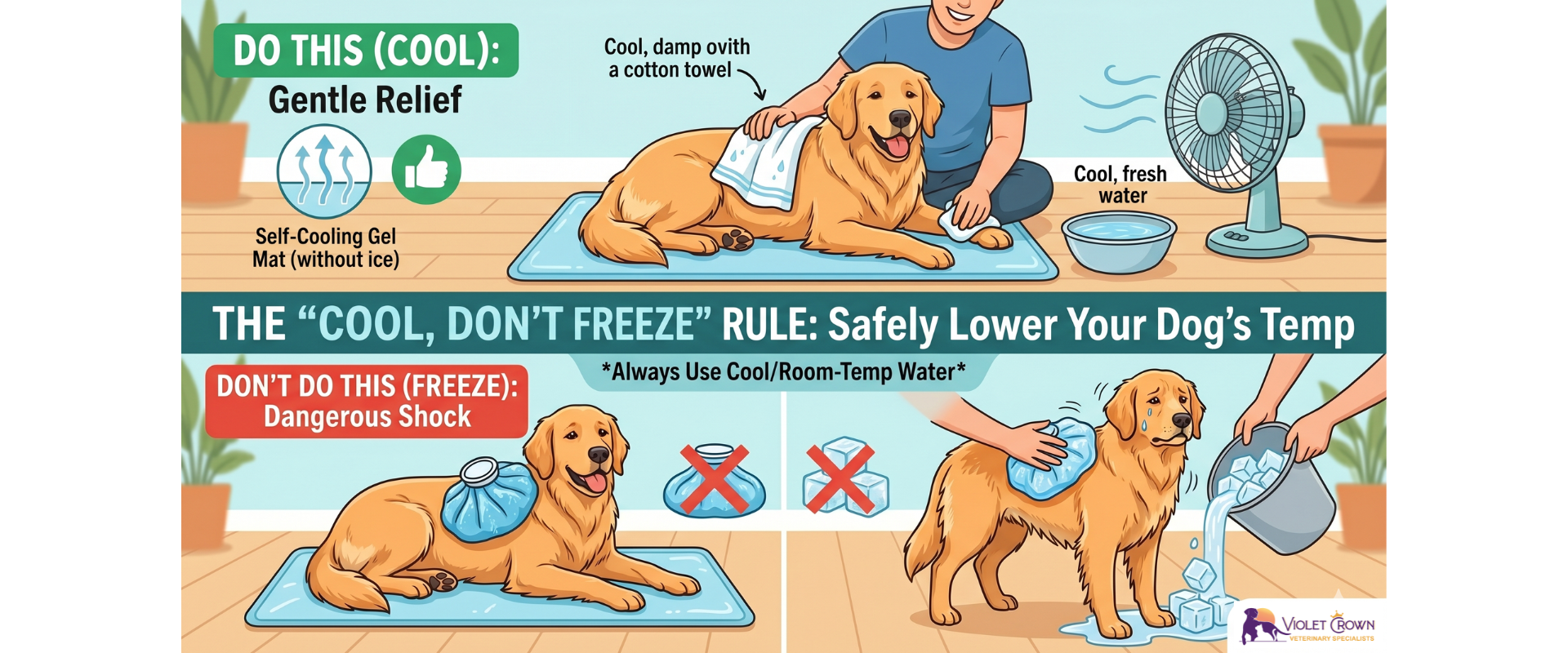
- Move to Shade or A/C Immediately: Get your dog out of the sun. If you have a car with air conditioning, move them there immediately.
- Offer Small Amounts of Water: Do not force them to drink, but have fresh water available.
- Cooling (Crucial Step): Apply cool—not ice-cold—water to their paw pads, ears, and stomach.
- Why not ice? Ice can cause "vasoconstriction" (the narrowing of blood vessels), which traps heat inside the body and makes the situation worse.
- Transport to the Vet: Even if your dog seems to recover after cooling down, you must go to the vet. Heatstroke can cause internal organ damage that isn't immediately visible.

How to Prevent Heat Exhaustion
Prevention is always better than cure. Follow these three rules to keep your dog safe this summer:
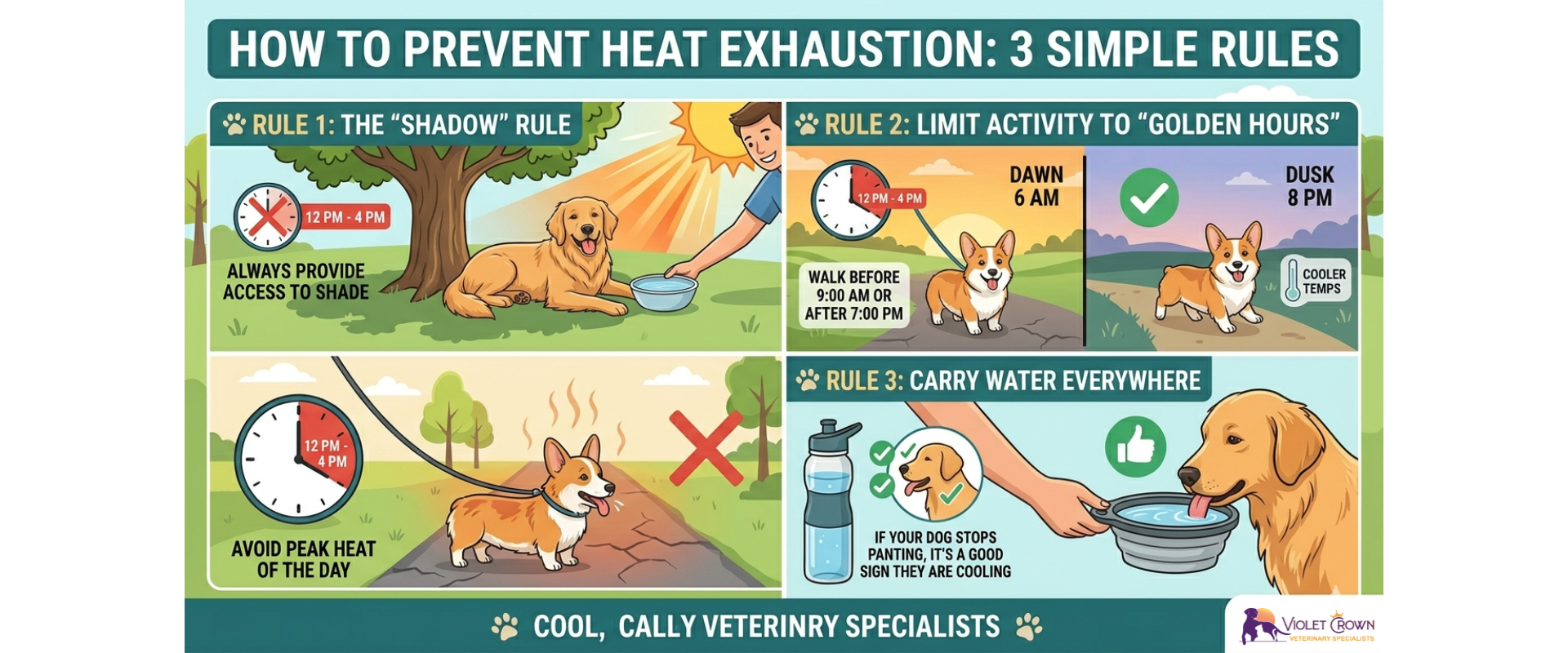
- The "Shadow" Rule: If you are outside, your dog must have access to a shaded area at all times.
- Limit Activity to the "Golden Hours": Walk your dog before 9:00 AM or after 7:00 PM. Avoid the heat of the day (12 PM – 4 PM) entirely.
- Carry Water Everywhere: Always bring a portable, collapsible water bowl. If your dog stops panting, it’s a good sign that they are regulating their temperature.
Need Emergency Help? We’re Here for You.
While we hope you and your pup have a safe and fun-filled summer, emergencies can happen when you least expect them. Heatstroke is a serious, life-threatening condition that requires immediate professional intervention.
When it’s urgent and if it’s serious, you need Violet Crown Veterinary Specialists, our team is available 24/7 to provide expert emergency care, advanced diagnostics, and critical support for pets in distress. We are located in Bee Cave and are always ready to step in when your primary veterinarian is unavailable or when the situation requires specialized equipment and round-the-clock monitoring.
- Don't wait for the symptoms to worsen. If your dog is showing signs of heatstroke, lethargy, or severe discomfort, call us immediately or bring them in.
- Save Our Info: We recommend saving our contact details in your phone now, before you need them.
Violet Crown Veterinary Specialists 📍 14360 Falcon Head Blvd, Bee Cave, TX 78738 📞
(512) 284-2877 🌐 www.violetcrownvet.com
Open 24/7 for walk-in emergencies — no appointment needed.