Guide to Summer Dog Safety: 10 Emergency Situations Every Owner Should Know
Summer is the season of adventures, beach trips, and backyard BBQs. But for our four-legged friends, the rising temperatures and shifting environment can create hidden dangers that aren't always immediately obvious to busy pet owners. Whether you’re planning a road trip or just hanging out in the backyard, knowing how to spot and prevent these 10 common summer emergencies can save your dog's life, and spare you a stressful trip to the emergency vet.
As the days grow longer, our daily routines with our pets naturally change. While we’re busy planning hikes and outdoor fun, it’s easy to overlook how the environment affects our canine companions, who are significantly more sensitive to heat and seasonal changes than we are. Being a proactive pet parent isn't about being paranoid or limiting the fun; it's about being informed so you can confidently navigate the risks and ensure that every memory you make this season is a happy, healthy one.
1. Heatstroke & Heat Exhaustion
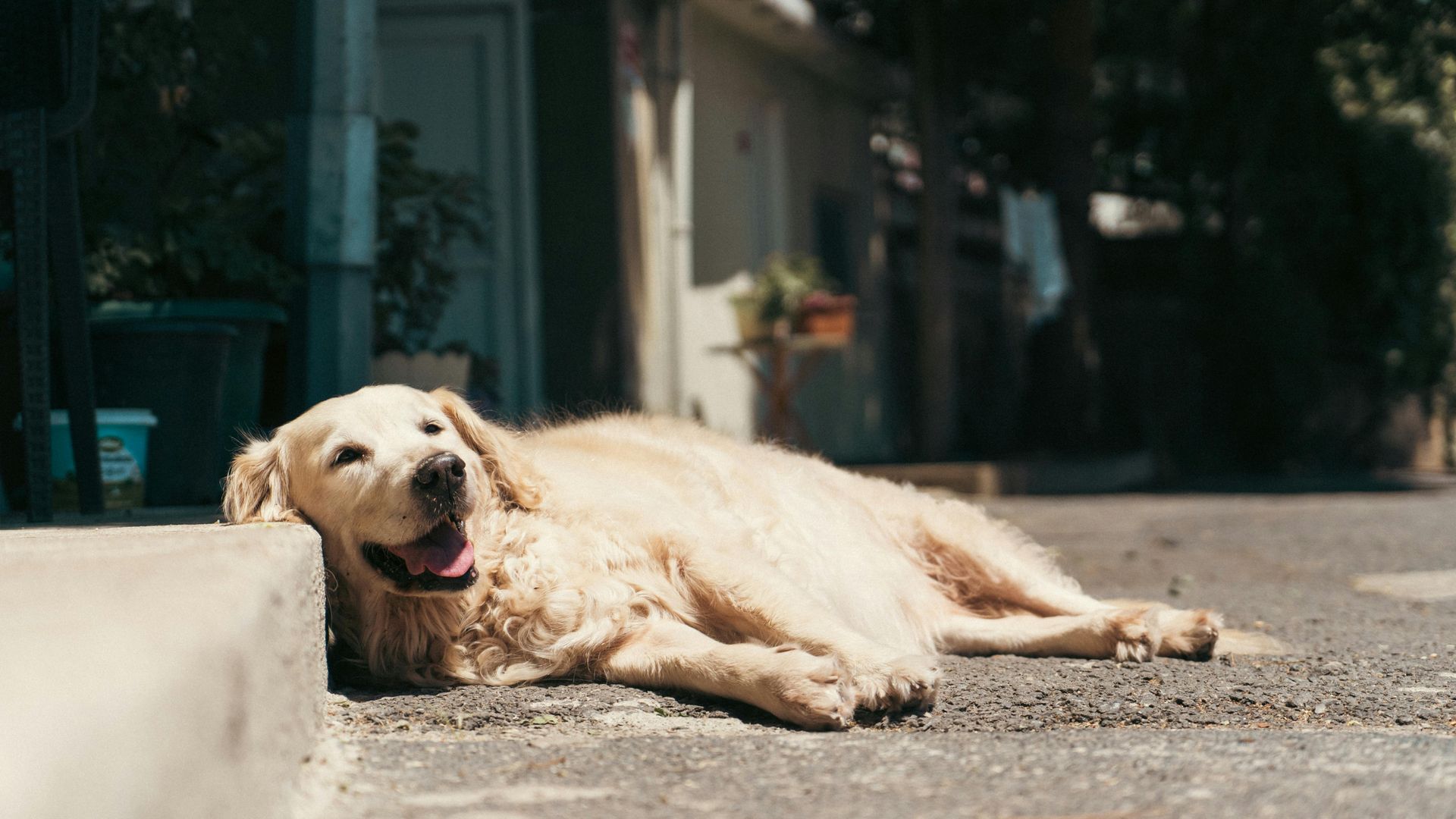
Dogs cannot regulate their temperature as efficiently as humans. Heatstroke can cause organ failure in a matter of minutes.
- The Warning Signs: Heavy, frantic panting, thick/sticky saliva, bright red or purple gums, stumbling, or vomiting.
- The Immediate Action: Move to the shade or air conditioning immediately. Apply cool (not ice-cold) water to their paws, belly, and ears.
Seek professional veterinary care immediately, even if the dog seems to recover.

2. Burnt Paw Pads
Asphalt and concrete are essentially heat traps. By midday, asphalt can reach 140°F, causing third-degree burns within seconds.
- The Prevention: Use the "7-Second Test." If you cannot hold the back of your hand against the pavement for seven full seconds, it is too hot for your dog to walk on.
- Pro-Tip: If you must walk during the day, look for grassy paths or use dog booties with rubber soles.
3. Water Toxicity & Drowning
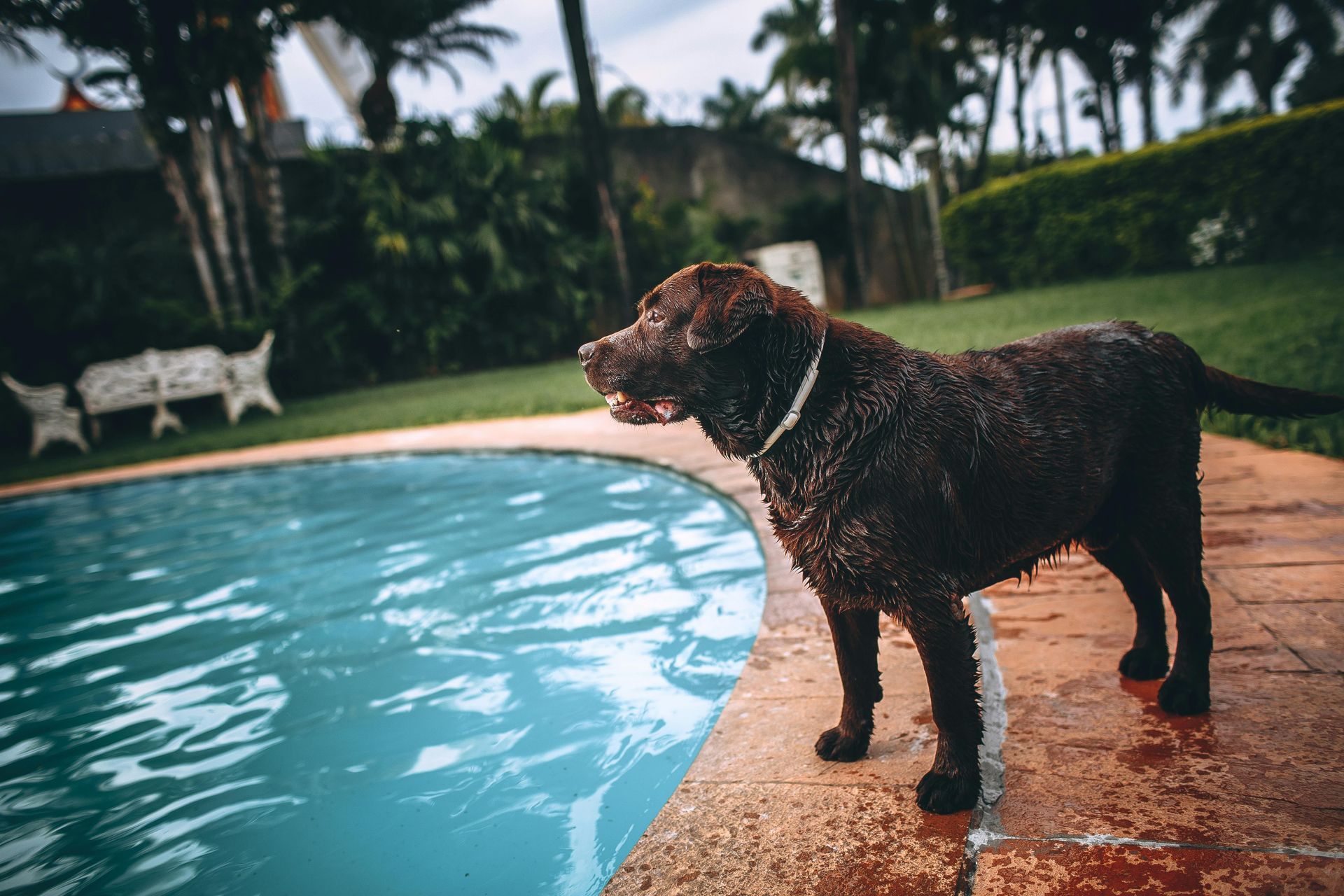
Not all dogs are natural swimmers, and even the best swimmers can succumb to exhaustion or water intoxication (hyponatremia).
- The Danger: Drinking excessive amounts of pool or lake water can throw off their electrolyte balance.
- The Prevention: Use a well-fitted life jacket, even for dogs who know how to swim. Bring a collapsible water bowl and fresh water to the beach to keep them from drinking the salt or pool water.
4. Tick and Parasite Proliferation
Summer is prime time for ticks, fleas, and mosquitoes, which carry Lyme disease, Ehrlichiosis, and Heartworm.
- The Prevention: Ensure your dog is on year-round, vet-approved parasite prevention. After every hike, perform a "Tick Check": run your hands over their entire body, paying special attention to behind the ears, between toes, and in the armpits.
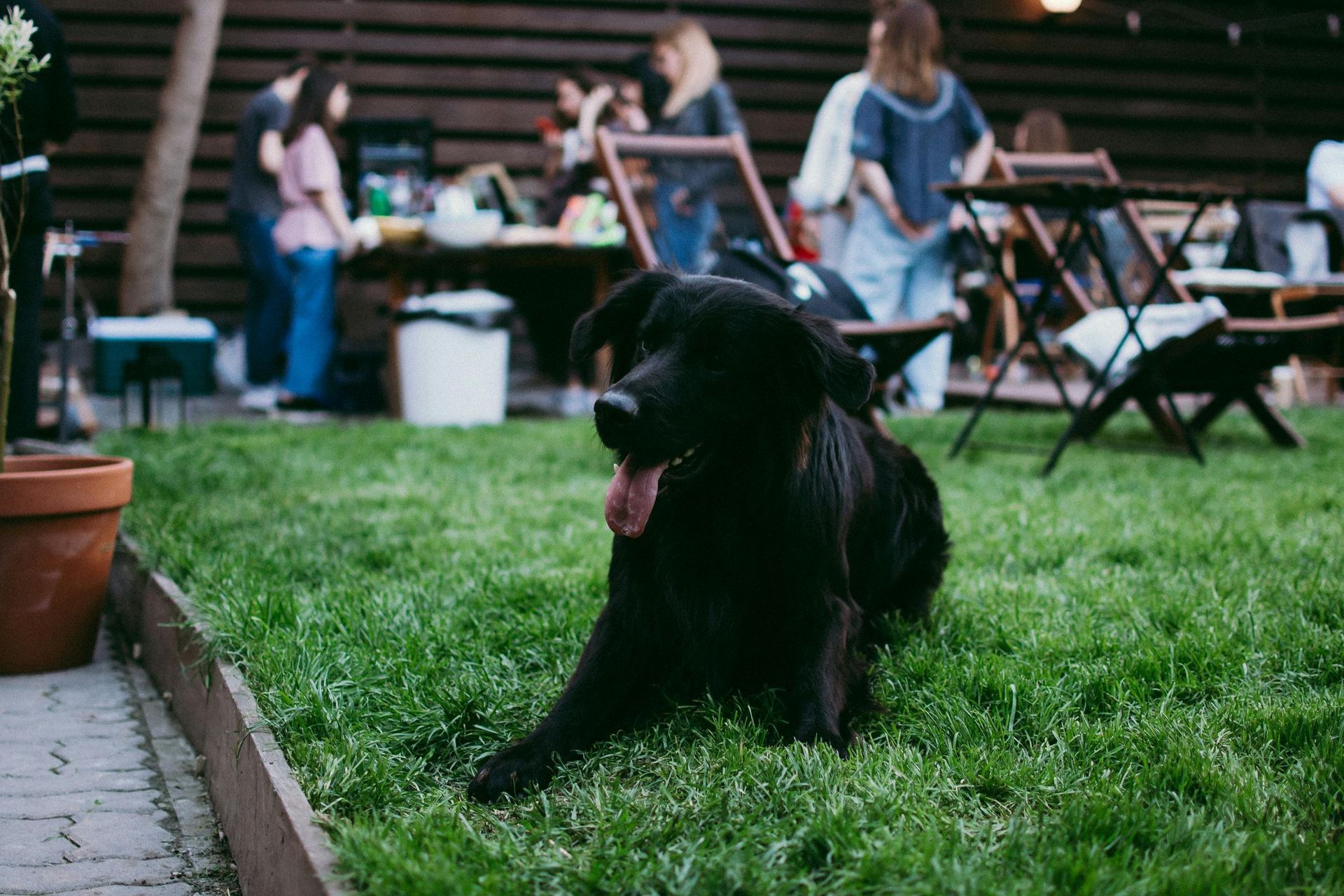
5. Dangerous "Summer Foods"
(BBQ Hazards)
Cookouts bring a buffet of dangers that are toxic or physically dangerous to dogs.
- The High-Risk Items:
- Cooked Bones: Can splinter and puncture the stomach/intestines.
- Corn Cobs: Often cause life-threatening intestinal blockages.
- Xylitol: Found in some sugar-free condiments/snacks; it causes rapid, fatal drops in blood sugar.
- Grapes/Onions: Highly toxic to dogs.

6. Sunburn
Dogs with thin hair, white fur, or pink noses are at high risk. Sunburn in dogs usually appears on the bridge of the nose, ear tips, and belly.
- The Prevention: Apply a pet-specific sunscreen (do not use human sunscreen, as ingredients like Zinc Oxide are toxic to dogs if ingested). Provide ample shade if you are outdoors for more than 30 minutes.
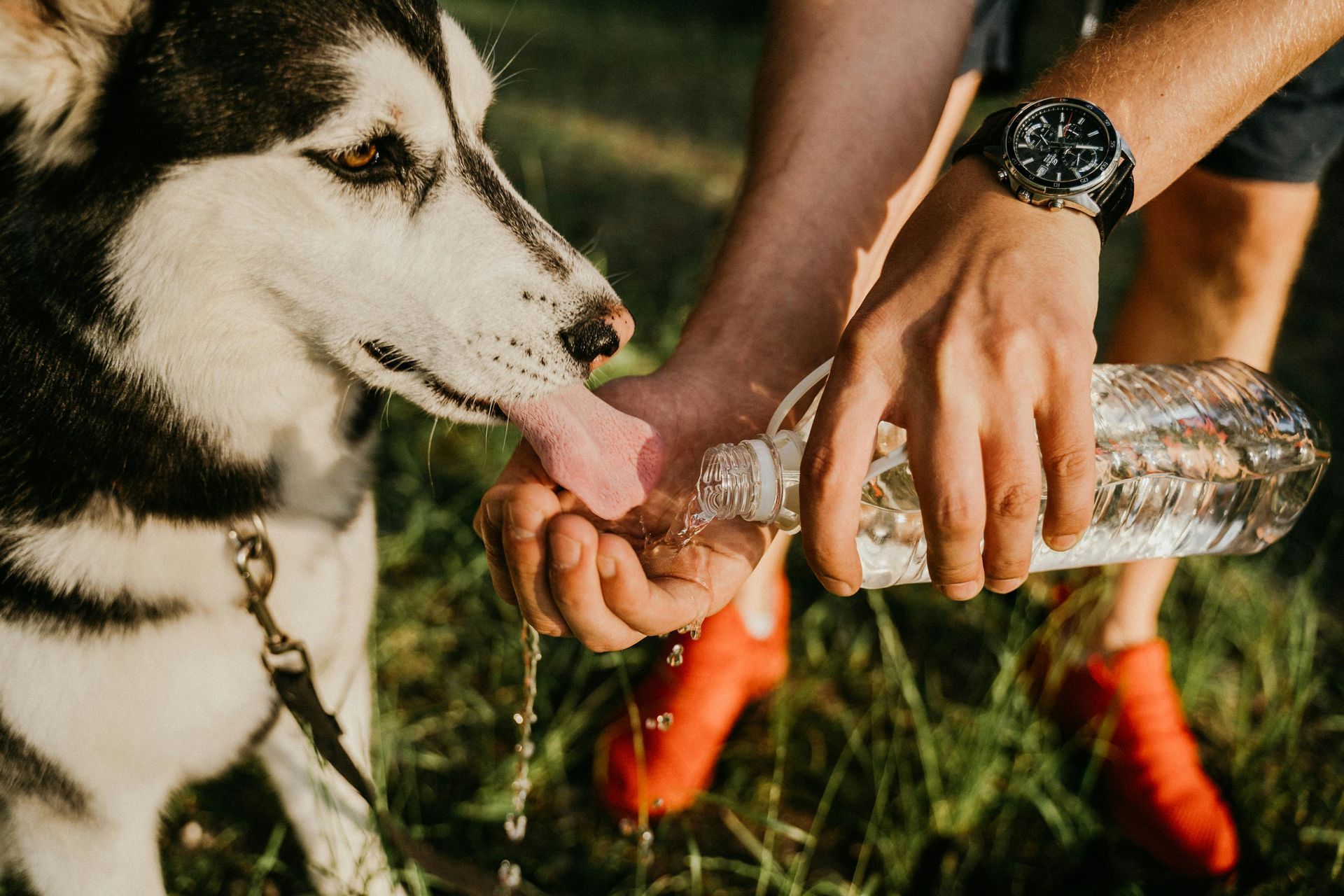
7. Dehydration
Dehydration in dogs often creeps up before owners notice.
- The Test: Gently pull the skin on the back of their neck. It should snap back into place instantly. If it stays in a "tent" or folds back slowly, your dog is likely dehydrated.
- Prevention: Keep water bowls clean and refreshed multiple times a day. If you notice your dog is lethargic, offer a small amount of low-sodium chicken broth mixed with water to encourage drinking.
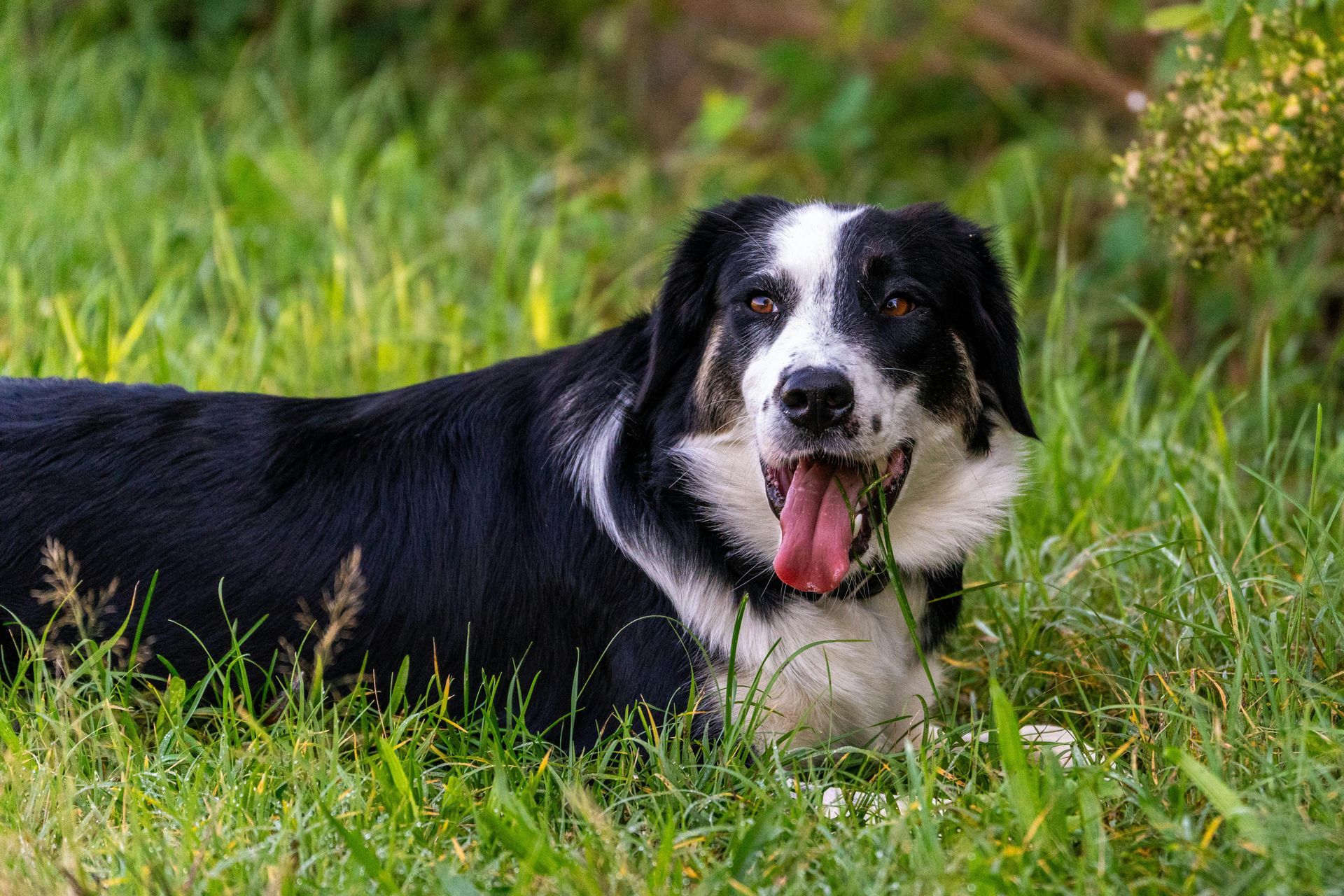
8. Lawn & Garden Toxins
Fertilizers, herbicides, and pesticides can be absorbed through paw pads or ingested when a dog licks their feet after walking on treated grass.
- The Prevention: If you treat your lawn, keep your dog inside until the product has completely dried or been watered into the soil. Be wary of Sago Palms and Lilies, which are highly toxic to pets.
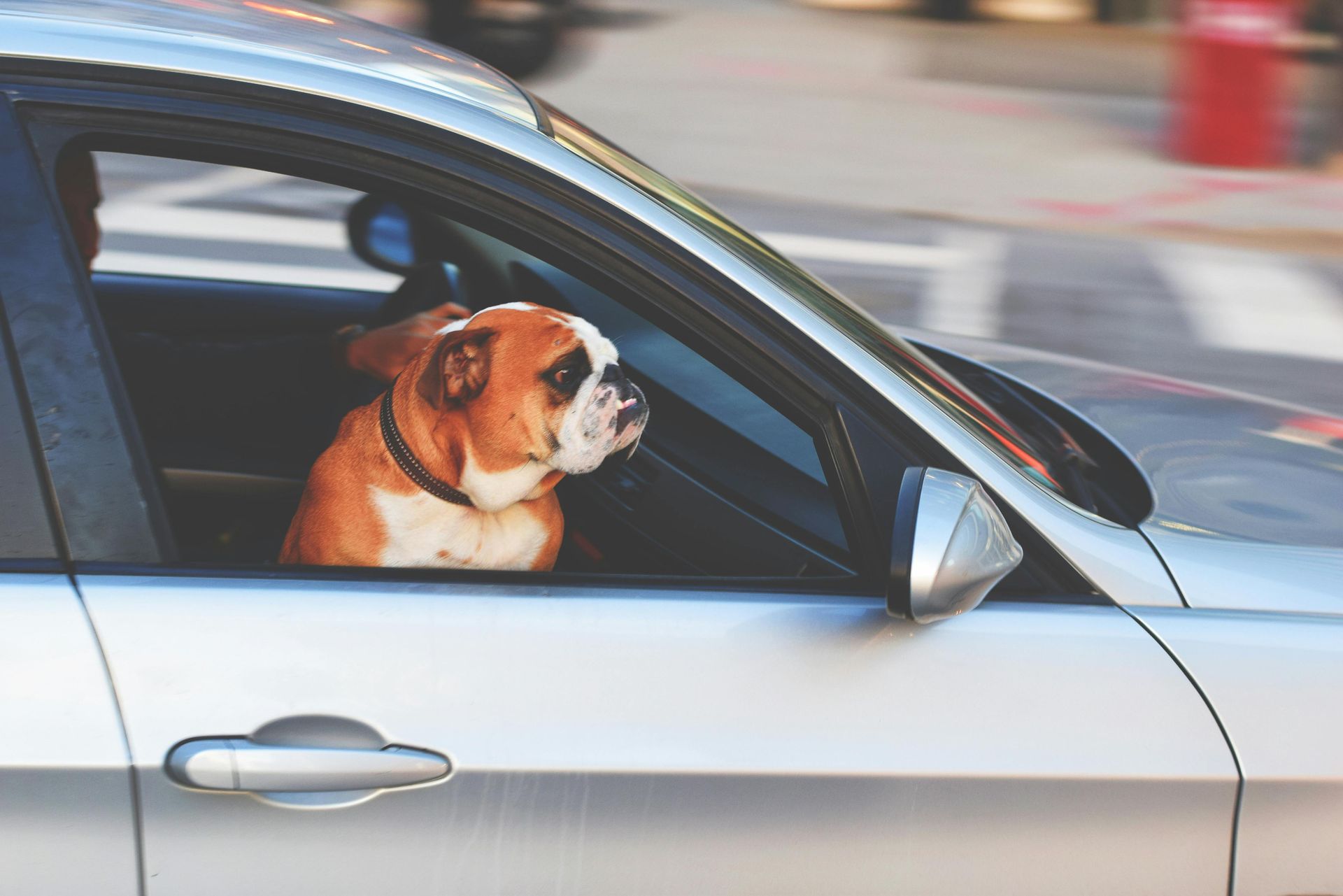
9. The "Parked Car" Effect
Even with windows cracked, a car can reach dangerous temperatures in under 10 minutes.
- The Reality: On an 80°F day, the temperature inside a car can spike to over 100°F. Never leave your dog in the car. It is a "zero-tolerance" emergency that can result in fatal heatstroke before you even get back to the vehicle.

10. Thunderstorm & Fireworks Anxiety
July 4th and summer storms often cause "panic flight." Dogs often jump fences or chew through screens in a desperate attempt to escape the noise.
- The Management: Create a "Safe Zone" in a room with no windows or an interior room. Use white noise machines or calm classical music to mask the booming sounds. Ensure your dog is microchipped and that your contact information is current.
We hope this season is filled with nothing but long walks, backyard play, and happy memories with your furry best friend. By keeping these safety tips in mind and knowing what to look out for, you are already doing a great job as a proactive pet parent.
However, we know that despite our best efforts, accidents can happen in the blink of an eye. Whether it is a sudden case of heat exhaustion, a mysterious limp, or an accidental snack they should not have eaten, please know you do not have to navigate it alone.
We Are Here for You, Anytime
If you are ever worried about your dog's health or think they might be experiencing any of the issues mentioned above, please do not wait to see if it passes. You know your pet better than anyone; if something feels wrong, trust your gut.
Violet Crown Veterinary Specialists is open 24/7, 365 days a year. We are always here to provide expert, compassionate care whenever your pet needs it most.
- Need advice or urgent care? Call us immediately at 512-284-2877.
- Location: 14360 Falcon Head Blvd. Bee Cave, TX 78738
Your pet’s health and safety are our top priority, all summer long.