BBQ Season & Your Dog: The Cookout Foods That Could Send You to the Emergency Vet

There's nothing quite like a Texas summer cookout — the smell of the grill, the laughter, the cold drinks. And your dog, nose working overtime, is right there in the middle of it all hoping something falls their way.


But that "harmless" scrap from the grill could land you in the emergency vet. Several common cookout staples are genuinely dangerous — even fatal — to dogs, and the danger often comes from the most unexpected places.

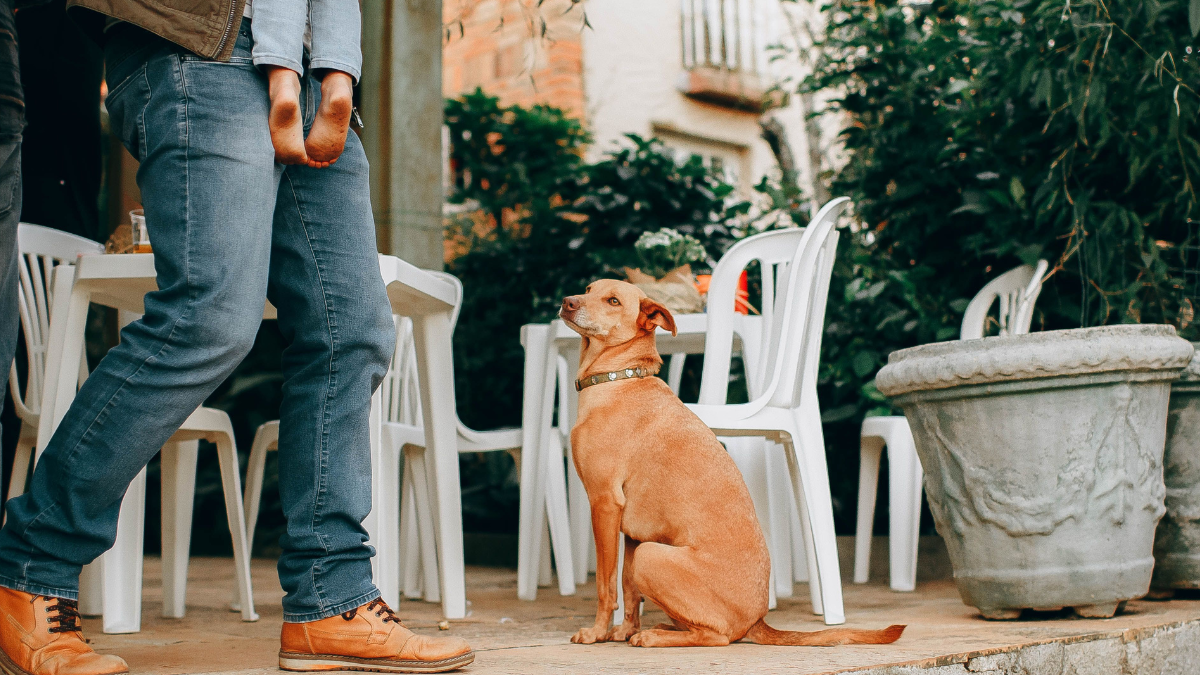
Tan dog sitting by a person’s legs on a patio with white chairs and a large planter

The High-Risk Items to Watch For

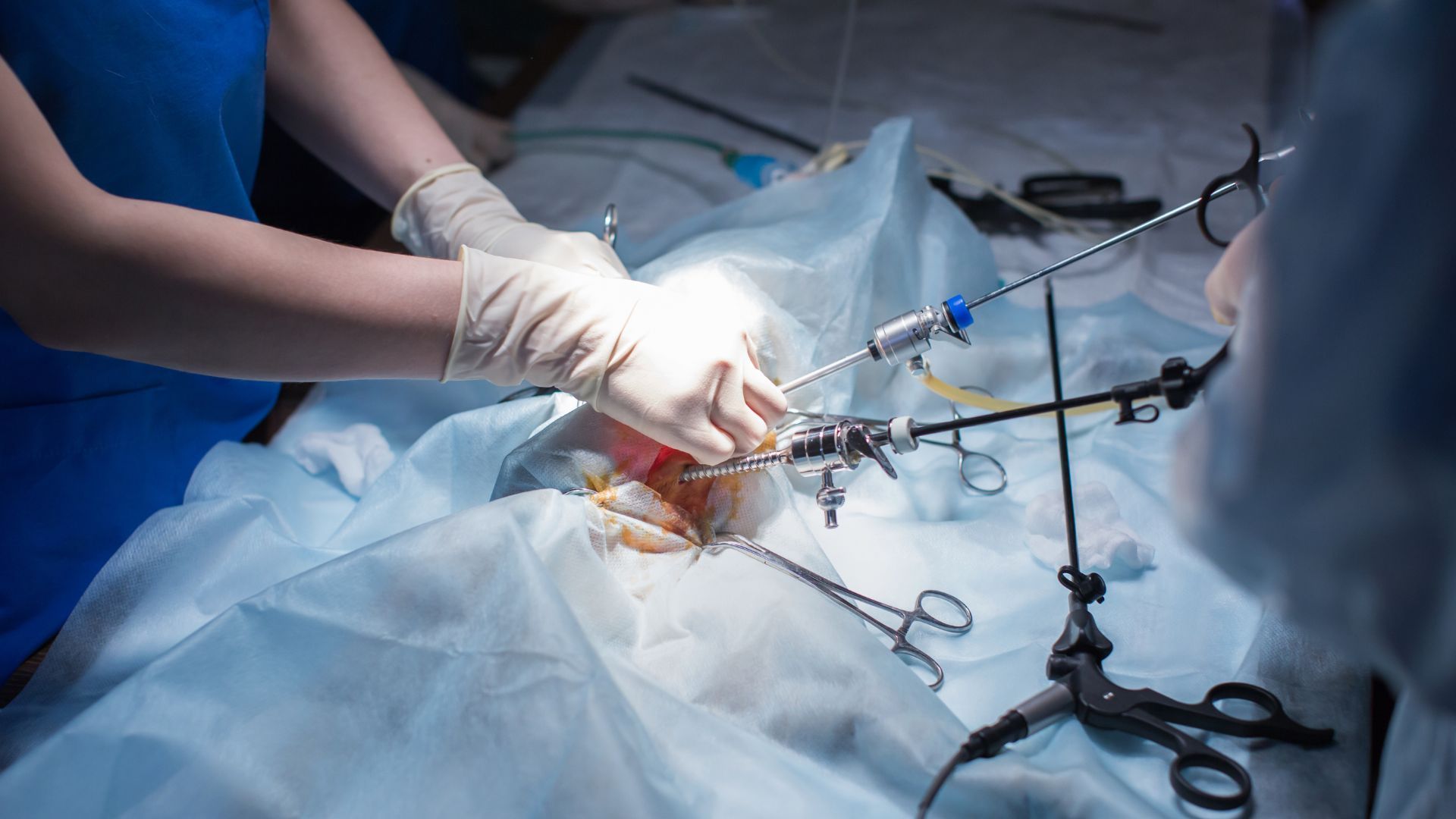
Cooked Bones That leftover rib bone might seem like a natural treat, but cooked bones become brittle and can splinter into sharp shards. These fragments can puncture the esophagus, stomach, or intestines — a life-threatening emergency requiring immediate surgery.


Corn Cobs Dogs love them. Dogs should never eat them. Corn cobs are one of the most common causes of intestinal blockages we see in emergency medicine. They don't digest, they don't pass — they get stuck. Signs include vomiting, lethargy, loss of appetite, and straining. This is always a surgical emergency.


Xylitol This artificial sweetener is found in sugar-free condiments, ketchup, peanut butter, and some baked goods. Even a small amount can cause a rapid, potentially fatal drop in blood sugar in dogs. Check your labels, especially on anything sugar-free.


Grapes and Raisins Even a single grape can cause acute kidney failure in some dogs. The exact mechanism isn't fully understood, which is exactly why there is no "safe" amount. Keep fruit salads and snack trays well out of reach.


Onions and Garlic Both are toxic to dogs and damage red blood cells, leading to anemia. This includes powdered forms — meaning burgers seasoned with onion powder are also a risk.


Alcohol Even small amounts of beer, wine, or cocktails can cause serious toxicity in dogs, including vomiting, disorientation, dangerously low blood sugar, and respiratory failure.
How to Keep Your Dog Safe at Gatherings

  • Designate a specific area for your dog away from the food table and grill.
  • Brief your guests — well-meaning people will try to sneak your dog "just a little bite."
  • Provide your dog with their own safe, dog-friendly treats so they don't feel left out.
  • Secure trash cans with lids. Dogs will raid a garbage bag full of bones and corn cobs without hesitation.
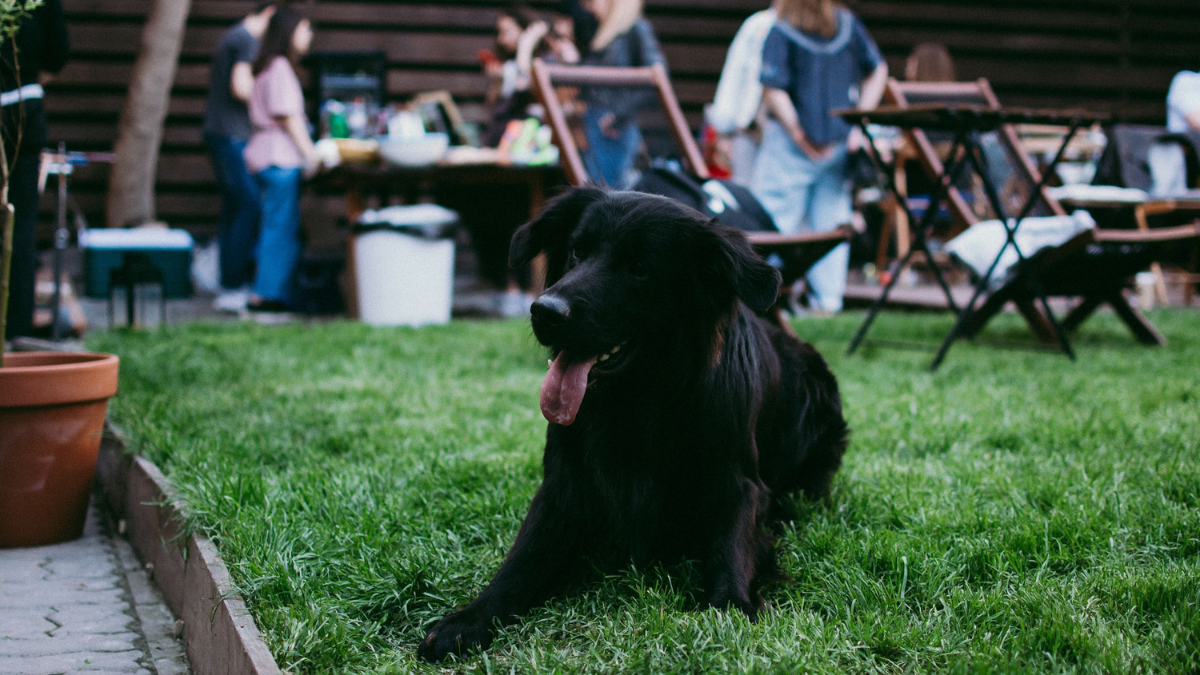
Black dog sitting on grass in a park, with people and outdoor café tables blurred in the background

If Your Dog Eats Something They Shouldn't

Don't wait to see if symptoms develop. Call your vet or an emergency animal hospital immediately — early intervention makes a significant difference in outcomes. You can also contact the ASPCA Animal Poison Control Center at 888-426-4435.


Violet Crown Veterinary Specialists is open 24/7, 365 days a year. If you're ever worried your dog ate something dangerous, call us right away at 512-284-2877.

Close-up of a sleeping brown and white dog’s paw resting on a soft white blanket
June 10, 2026
Every summer, thousands of dogs suffer painful paw pad burns from hot pavement — and most pet owners never see it coming. While you're enjoying the warm weather and sunny walks, the ground beneath your dog's paws can reach scorching temperatures that cause serious, lasting damage in a matter of seconds. Burnt paw pads are one of the most common and most preventable summer emergencies we treat at our clinic, yet they remain one of the most overlooked hazards of the season.
Brown dog swimming in a calm lake, leaving a ripple trail behind
June 10, 2026
Summer means more time near the water — lakes, pools, rivers, and beaches. For most dogs, swimming is pure joy. But what many pet owners don't know is that water itself can be a hidden danger. From exhaustion-related drowning to a surprisingly common condition called water intoxication (hyponatremia), the risks of aquatic fun go far beyond the obvious. Knowing what to watch for could save your dog's life.