Water Toxicity & Drowning
Summer means more time near the water — lakes, pools, rivers, and beaches. For most dogs, swimming is pure joy. But what many pet owners don't know is that water itself can be a hidden danger. From exhaustion-related drowning to a surprisingly common condition called water intoxication (hyponatremia), the risks of aquatic fun go far beyond the obvious. Knowing what to watch for could save your dog's life.
What Is Water Toxicity in Dogs?
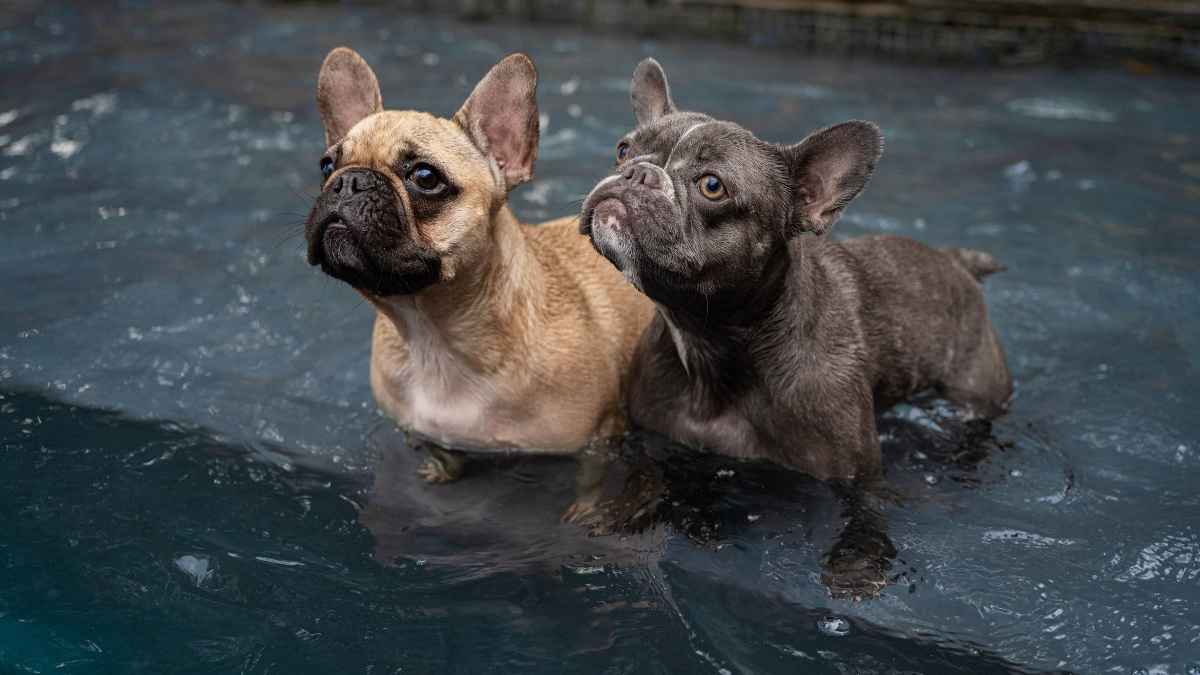
Water toxicity, also called hyponatremia, occurs when a dog ingests too much water in a short period of time. This dilutes the sodium levels in the blood to dangerously low levels, causing cells throughout the body — including brain cells — to swell. It sounds unlikely, but it happens more often than you'd expect, particularly in active dogs who fetch balls or toys from water repeatedly.
Dogs don't just drink the water — they swallow large amounts while diving, catching toys, or playing in sprinklers and hoses. Small and toy breeds are at higher risk, but even large, healthy dogs can develop water toxicity after prolonged water play.
Signs of Water Toxicity
Water toxicity can escalate rapidly, and the early symptoms are easy to miss or dismiss as post-swim fatigue. Watch closely for these warning signs, especially in the 30–90 minutes after water play:
- Lethargy or sudden loss of energy after swimming.
- Nausea, vomiting, or bloating.
- Loss of coordination or stumbling.
- Glazed eyes or a blank, unfocused stare.
- Excessive drooling or pale gums.
- Seizures or collapse — these indicate a severe, life-threatening emergency requiring immediate veterinary care.
The Drowning Risk: It's Not Just for Non-Swimmers
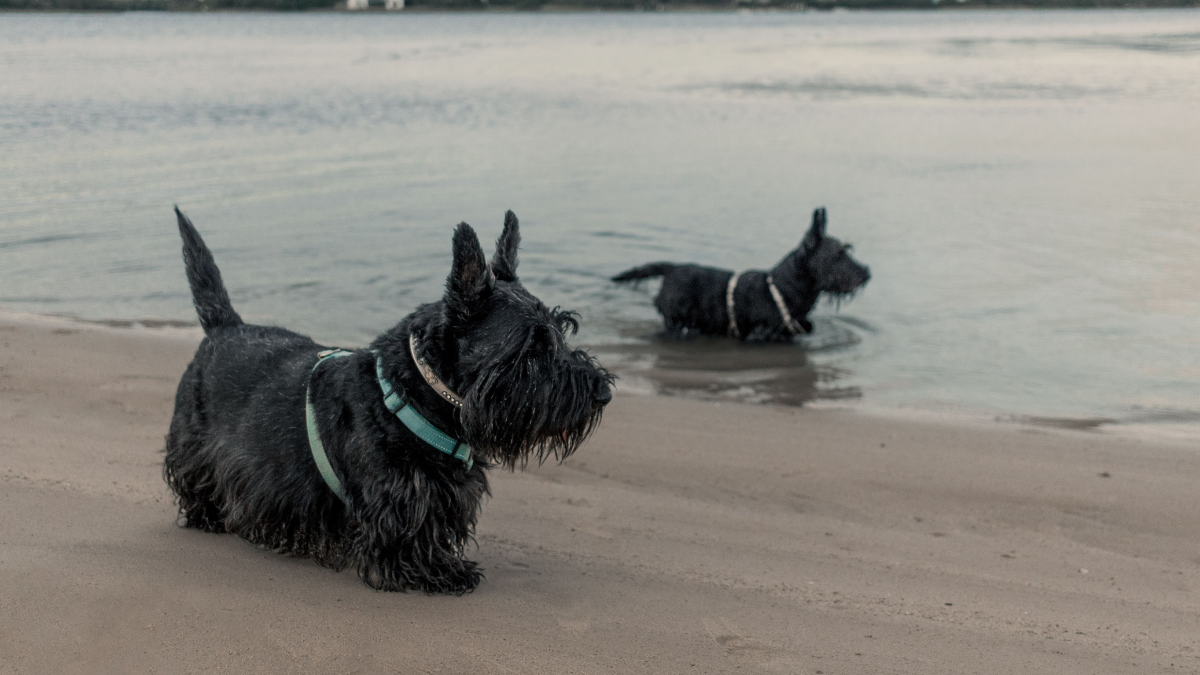
Many people assume only dogs who can't swim are at drowning risk. In reality, even strong, confident swimmers can find themselves in danger. Fatigue sets in faster than most owners expect, and dogs often won't stop swimming when exhausted — especially if they are focused on a ball or toy in the water. Currents, steep pool walls, cold water, and entanglement in aquatic vegetation are all serious hazards.
Watch for these signs of drowning distress in the water:
- Struggling to keep their head above water or sinking at the back end.
- Paddling frantically or erratically.
- Visible exhaustion or slowing down significantly in the water.
- Inability to find or reach an exit point (e.g., pool edges with no ramp).
- Coughing, choking, or gagging during or after swimming.
What to Do in a Water Emergency
If your dog is in distress in the water or shows symptoms of water toxicity afterward, every second counts. Here's what to do:
- Get them out of the water safely. Never put yourself in danger. Use a leash, a pool noodle, or reach with your arm from solid ground if possible.
- Position them to drain water. Hold your dog with their head lower than their body to help drain water from the lungs if they've swallowed a large amount.
- Keep them warm and calm. Wrap them in a towel and keep them still. Cold water can trigger shock, especially in smaller breeds.
- Do not give them more water to drink. If you suspect water toxicity, additional water will worsen sodium dilution.
- Go to an emergency vet immediately. Both drowning and water toxicity are life-threatening. Do not wait for symptoms to worsen. Call ahead so the team can prepare.
How to Prevent Water Toxicity and Drowning
With the right precautions, your dog can enjoy the water safely all summer long:
- Use a well-fitted dog life jacket. Even if your dog is a good swimmer, a life jacket adds buoyancy that reduces fatigue and dramatically lowers drowning risk.
- Limit swimming sessions. Take regular breaks every 10–15 minutes to prevent exhaustion, especially in hot weather. Give your dog time to rest on land.
- Bring fresh water to drink. Dogs that are thirsty will drink whatever is nearby. Keeping a fresh water supply reduces the chance they'll gulp pool, lake, or ocean water.
- Limit toy retrieval from water. If your dog obsessively fetches from the water, set a firm limit on repetitions. Each dive means more water swallowed.
- Install a pool ramp. If you have a home pool, make sure your dog can exit without your help. A dog ramp or dedicated steps can be lifesaving.
- Never leave your dog unsupervised near water. Even the strongest swimmers can get into trouble. Always maintain line-of-sight supervision when your dog is in or near water.
When to Seek Emergency Veterinary Care
Any dog that has been submerged, has inhaled water, or is showing any symptoms after water play needs veterinary attention right away — even if they seem to have recovered. Secondary drowning (where fluid builds in the lungs hours later) and delayed water toxicity symptoms can both be fatal without treatment.
Seek emergency care immediately if your dog:
- Was pulled from the water unconscious or unresponsive.
- Is having a seizure or has collapsed.
- Is breathing with difficulty or has a persistent cough after swimming.
- Is showing neurological signs such as confusion, loss of balance, or an inability to stand.
- Has vomited repeatedly or appears severely bloated.
Time is critical in both drowning and water toxicity cases. Treatment for hyponatremia involves carefully controlled IV electrolyte therapy to restore safe sodium levels without causing further harm — something only a veterinary team can manage safely.
We're Here for Your Dog, Day or Night
Water emergencies can happen in an instant, and they require fast, expert care. If your dog has been involved in a water-related incident or is showing any of the symptoms described above, please don't wait to see if they improve on their own. Our team is available 24/7 to provide the urgent care your dog needs.
Need advice or urgent care? Call us immediately at 512-284-2877.
Location: 14360 Falcon Head Blvd. Bee Cave, TX 78738
Your pet's health and safety are our top priority, all summer long.