The Hidden Danger: Microscopic Barbs
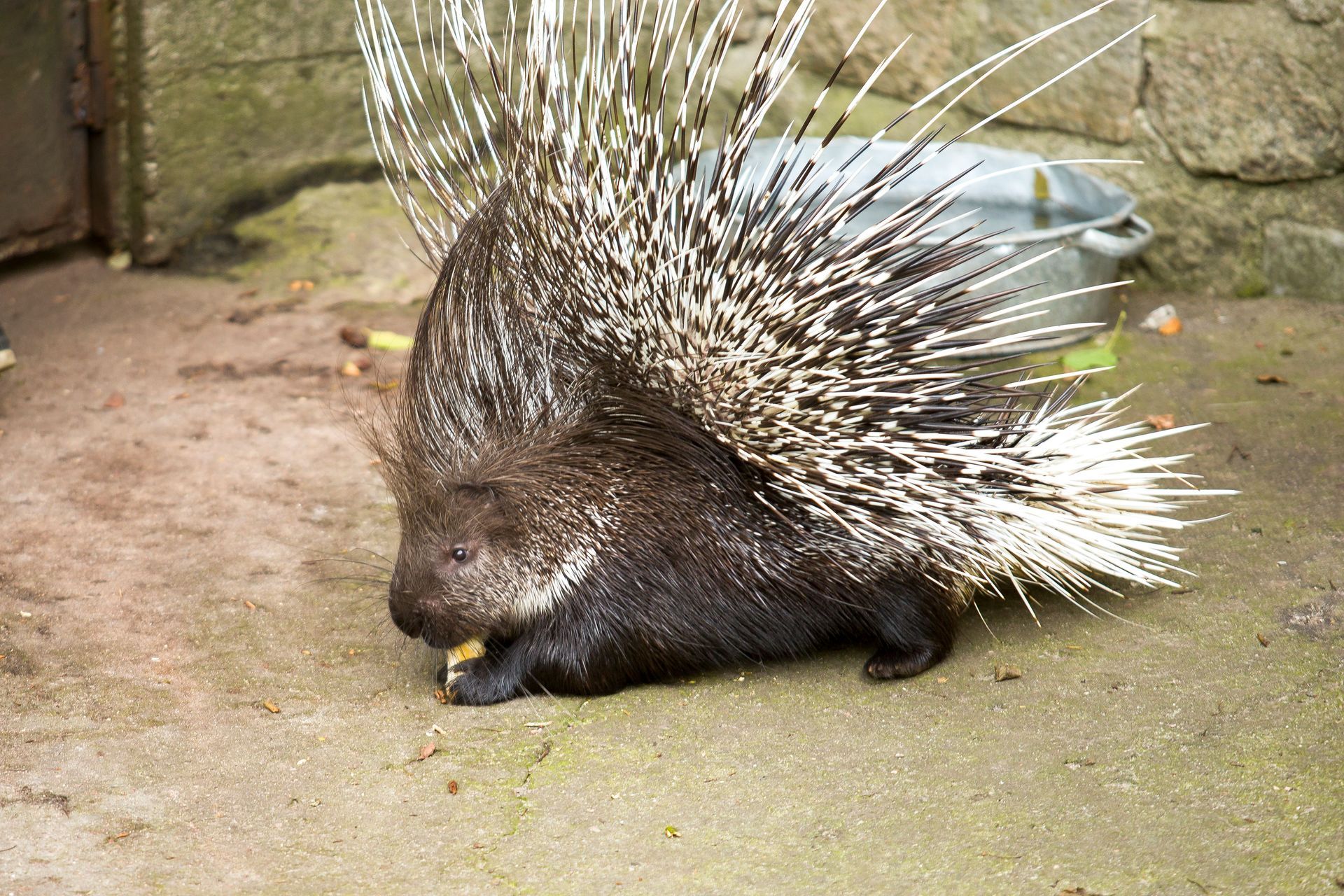
From a distance, a porcupine quill looks smooth. Under a microscope, however, the tip of each quill is covered in hundreds of tiny, backward-facing barbs.
These barbs act like little anchors. Once a quill enters a dog's flesh, the barbs lock it into place. Even worse, the normal movement of your dog's muscles acts like a pump, slowly pulling the quill deeper and deeper into the body over time.
If left untreated, quills can migrate through the body tissue. They can easily pierce blood vessels, travel into the lungs, puncture the chest cavity, or even migrate into the eyes and joints. Once a quill travels deep inside the body, finding and removing it requires major exploratory surgery.
What to Do Immediately After a Quill Strike
If your dog runs back to you with quills stuck in their face or body, your immediate actions are critical to keeping them safe:
- Do NOT Try to Pull Them Out Yourself: Pulling quills out hurts immensely. A panicked dog will bite, even if they love you. Furthermore, without heavy sedation, a dog will squirm, causing the brittle quills to snap off beneath the skin. A broken quill tip left behind will cause a painful abscess or continue migrating deeper into the body.
- Minimize Your Dog's Movement: Keep your dog as calm and still as possible. Do not let them run around, as muscle movement pushes the quills deeper. If you have a crate or a leash, use it to keep them contained.
- Stop Them from Pawing at Their Face: Most quills end up in the muzzle, lips, and face. Your dog’s natural instinct will be to rub their face against the ground or paw at the quills. This will only break the quills or push them further into the roof of the mouth and eyes. Hold your dog's paws or gently wrap their head in a towel to keep them from scratching.
- Do NOT Cut the Quills: There is an old myth that cutting the hollow end of a quill collapses it and makes it easier to pull out. This is entirely false. Cutting the quill actually makes it splinter, making it much harder for a vet to remove cleanly.
- Withhold Food and Water: Because your dog will need to be sedated or put under general anesthesia at the vet clinic to have the quills removed, keeping their stomach empty is vital for their safety under anesthesia.
What to Expect at the Vet Clinic
Removing quills safely requires professional veterinary care. Once you arrive at the clinic or emergency hospital, the medical team will take over:
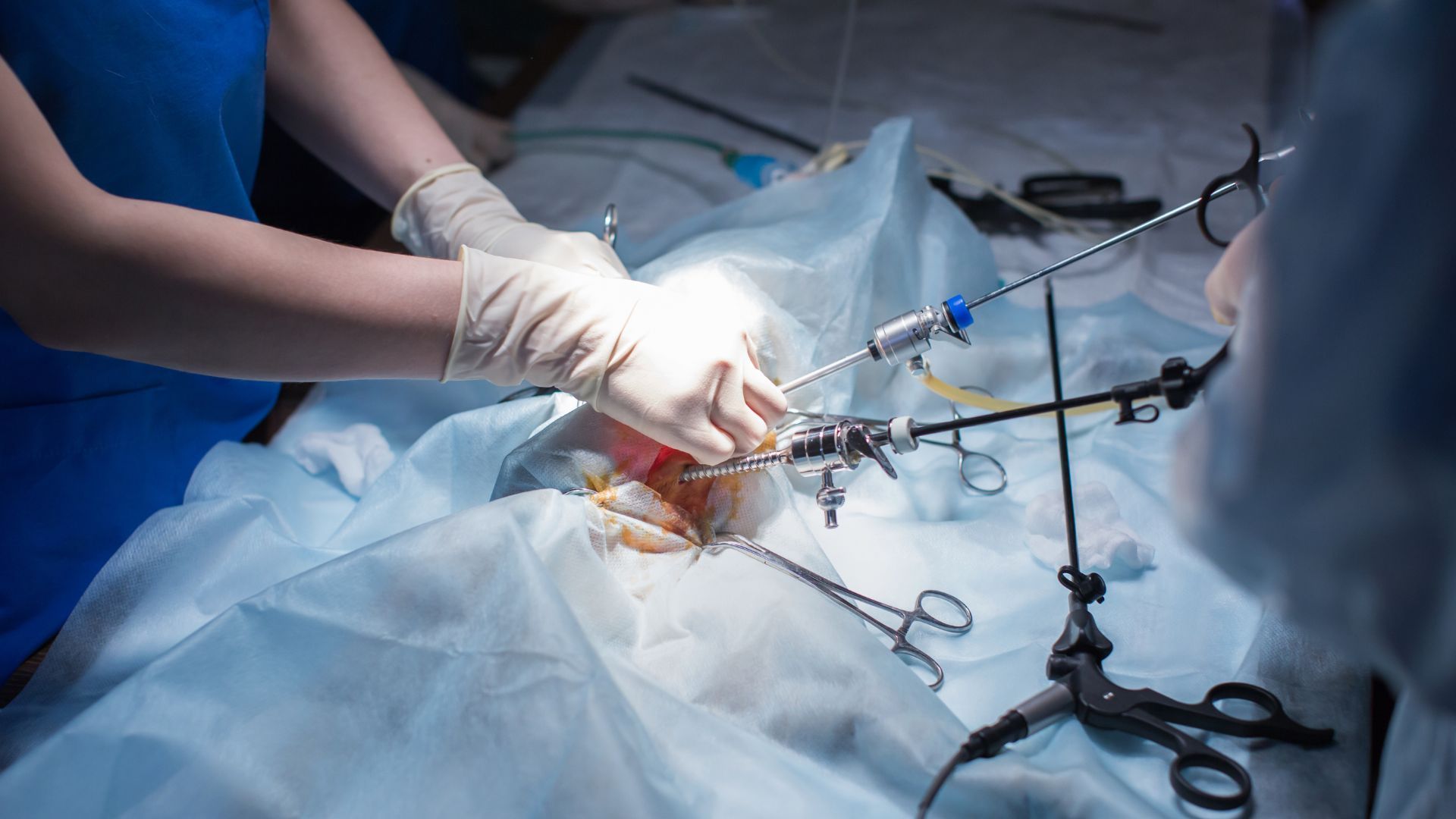
- Heavy Sedation or Anesthesia: The vet will administer strong pain medications and sedate your dog completely. This ensures your dog feels absolutely no pain and allows the vet to thoroughly inspect the entire body without your dog moving.
- A Hidden Mouth Inspection: Porcupines often defend themselves when a dog bites down on them. This means quills are frequently hidden deep inside the mouth, under the tongue, or down the throat. A sedated exam is the only way a vet can safely find and extract these hidden dangers.
- Antibiotics and Pain Management: Once all visible quills are pulled out using specialized surgical instruments, your dog will be sent home with a course of antibiotics to prevent infection from the dirty quills, along with anti-inflammatory pain medications to keep them comfortable during recovery.
The Bottom Line
Porcupine quills are incredibly painful and structurally designed to move deeper into your dog's body. The faster you get your dog to a veterinary clinic, the easier it is for the vet to remove the quills cleanly before they break or begin migrating into vital organs.